


Between the Bars and Beyond: The Radical Redemption of BET+’s American Gangster: Trap Queens
-

- July 23, 2025

There’s a quiet mythology in American culture about the “redeemed criminal”—a trope often reserved for men, and even more rarely extended to Black women. But in BET+’s quietly defiant docuseries American Gangster: Trap Queens, the myth gives way to something more real, more bruised, and more necessary: women, formerly labeled criminals, reclaiming authorship over their own stories.

Narrated by hip-hop icon Da Brat, the series peels back the sensational headlines to reveal the complex lives beneath them—lives marked by hustle, harm, survival, and, in some cases, grace. These women weren’t born villains; they were made in the crucible of structural neglect, poverty, ambition, and pain.
I sat down with five of the featured women—Felicia Pearson, Padge Windslowe, Angela Wright, Sharita Mathis, and Celeste Wells—each of whom embodies a different facet of what it means to fall, to be caught, and to rise again.
Padge Windslowe: Hustling for Redemption in a Body-Obsessed World
“Even now, I live with fear—but I choose legal hustle.”
Known in the tabloids as the “Black Madame,” Padge Windslowe became infamous after a series of illegal cosmetic procedures led to tragedy. But her story isn’t just about vanity or crime—it’s about the cost of survival in a world where women are told their bodies are never enough.
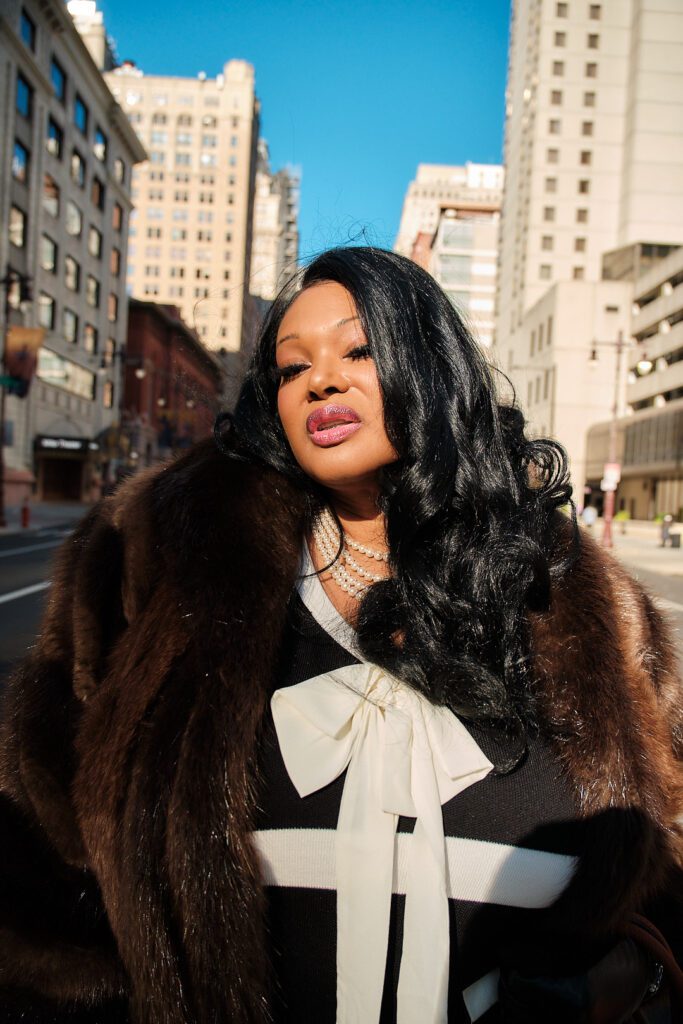
After a decade behind bars, Windslowe reemerged into a world even more obsessed with beauty and image—but this time, she chose the grind over the game. Driving Uber. Building businesses. Starring in her own Amazon Prime series, Madame in the Mirror.
Hers is a story about reinvention—but also about the long, lingering consequences of choices made under pressure.
Sharita Mathis: When the System Turns You Into Its Mirror
“I used to laugh at mental health. Now, I see my healing as sacred.”
Sharita Mathis once ran a Medicaid scam that exploited the very systems she now credits with saving her life. It’s a cruel irony: prison, the place intended to break her, became the space where she discovered therapy, self-reflection, and remorse.
Today, she gardens—tending to roots, both literal and emotional. In her growth, there’s a metaphor for America’s broken systems: what if the support had come before the punishment?
Celeste Wells: Building What She Never Had
“If you bring bad energy, stay away. I’m building a safe house.”
They called her the “Godmother of Miami,” but Celeste’s reign began with pickpocketing at 14 and spiraled into trafficking. For years, she was survival incarnate—hard, fast, and untouchable.
Now, with support from BET+, she’s channeling that same fire into building safe houses for women who live the lives she once did. Her work isn’t charity—it’s reparation.
Angela Wright: Teaching From the Other Side of the Line
“Scripture got me through the worst. Now I guide young women.”
Angela Wright’s story reads like a screenplay: teacher by day, cocaine trafficker by night. But beneath the shock value lies a woman split between two selves—and a system that couldn’t reconcile either.
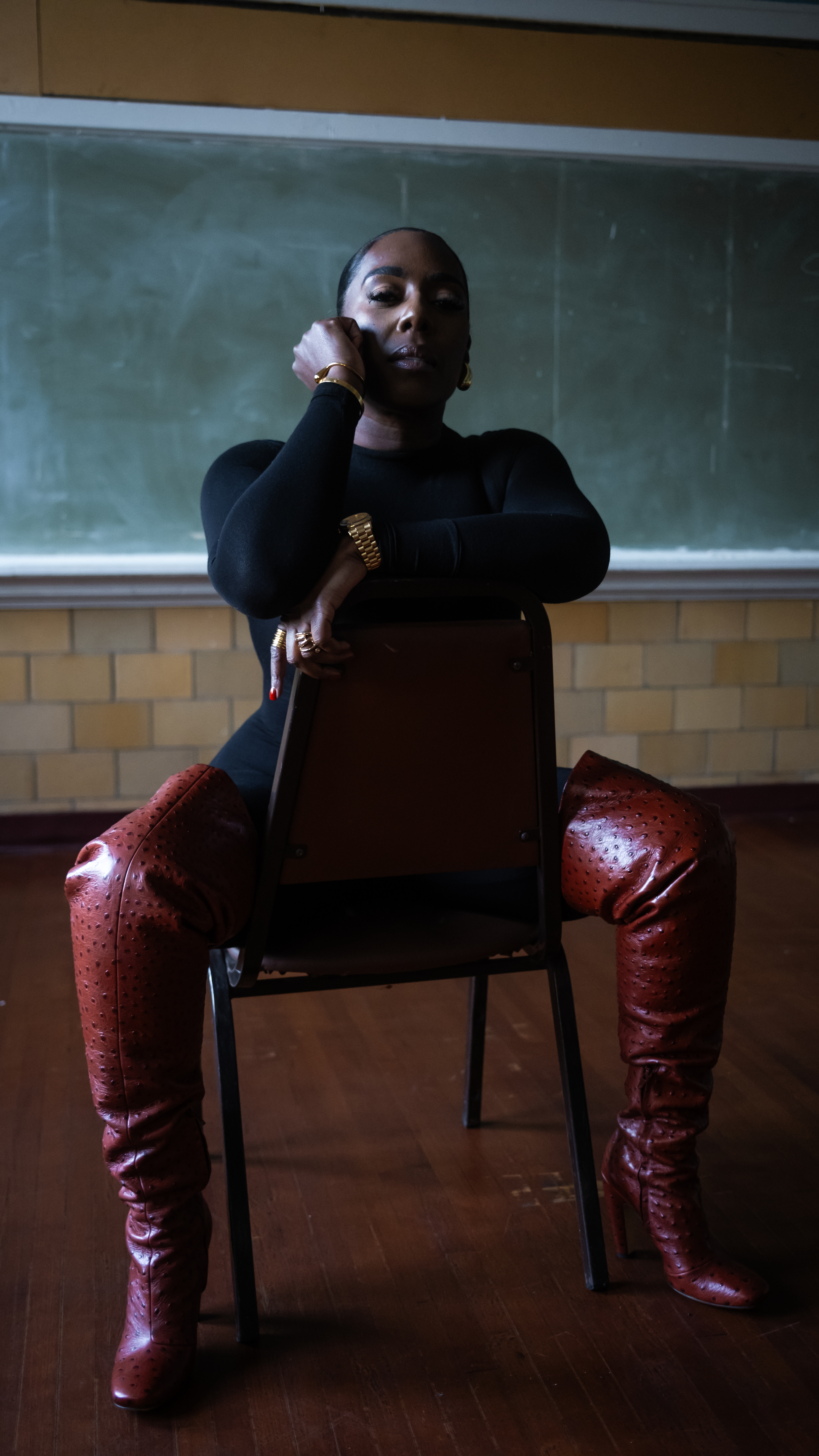
After serving 14 years, Angela now mentors incarcerated women, offering them what she never received: belief, structure, and hope. Her classroom has no walls now, but its lessons hit harder than ever.
Felicia “Snoop” Pearson: A Legend Still in the Making
“The streets don’t love anybody. But I do—through giving back.”
Felicia Pearson became famous for playing herself—or at least, a version of it—on The Wire. But what the screen never showed was what came after.
Today, she funds Shoot Hoops Not Guns, a grassroots program offering youth both basketball and blood pressure tests, job training and therapy referrals. Her life is a continuum of contradictions: a girl hardened by Baltimore’s corners, now softening her city one kid at a time. Her memoir, Grace After Midnight, is as much prayer as testimony.
Why This Series Matters
Trap Queens does what few crime-focused series dare: it restores complexity to the condemned. It questions not just who these women were, but who we allowed them to become—and who we might have failed.
The show doesn’t romanticize wrongdoing, nor does it pretend redemption is neat. It simply asks us to sit with the discomfort. To hold space for contradiction. To understand that growth doesn’t cancel the past—it wrestles with it.
These women aren’t asking for sainthood. They’re demanding visibility—and maybe, eventually, justice of a different kind.Watch American Gangster: Trap Queens on BET+. Not for spectacle. For the truth behind it.